Stormwater Conversion
Stormwater Management
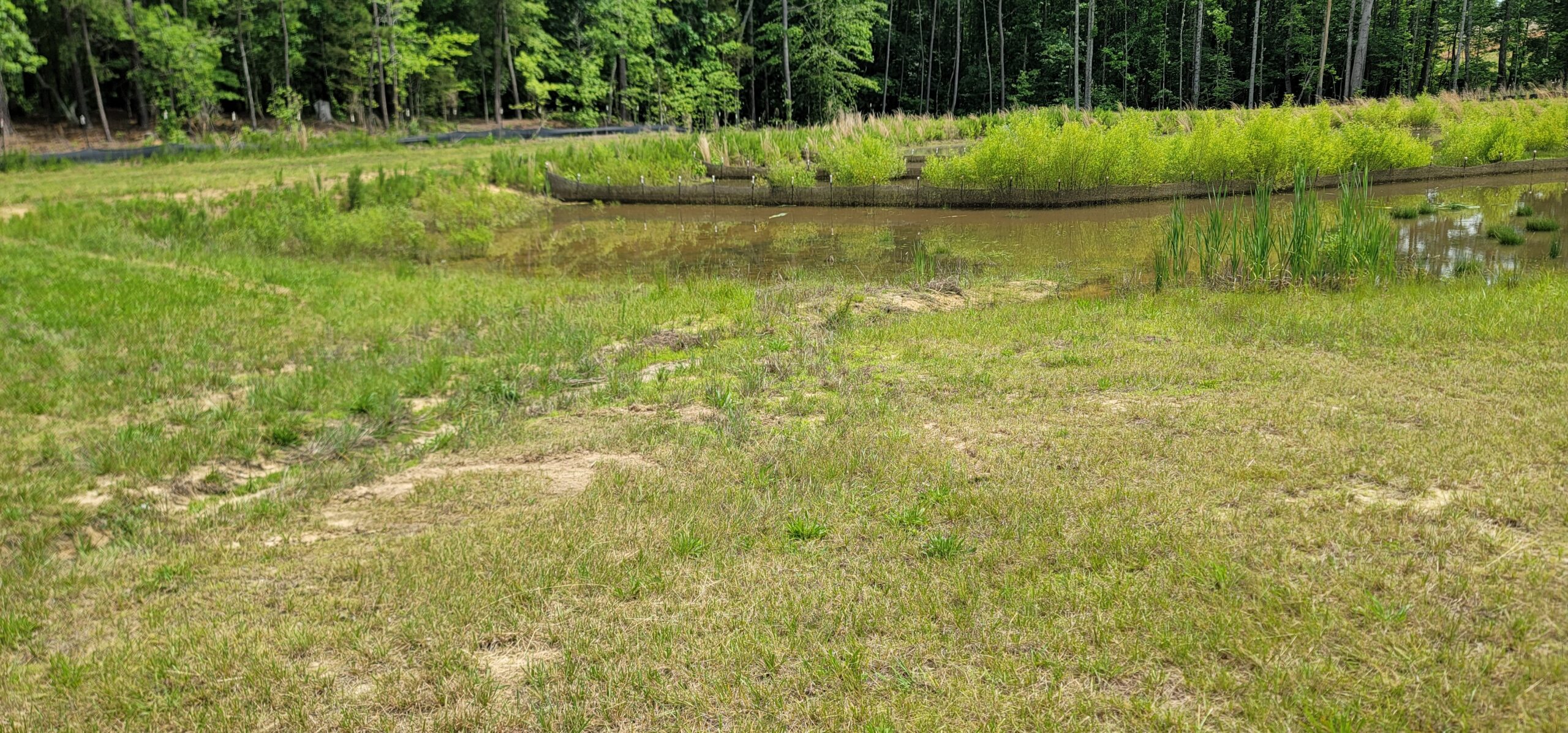
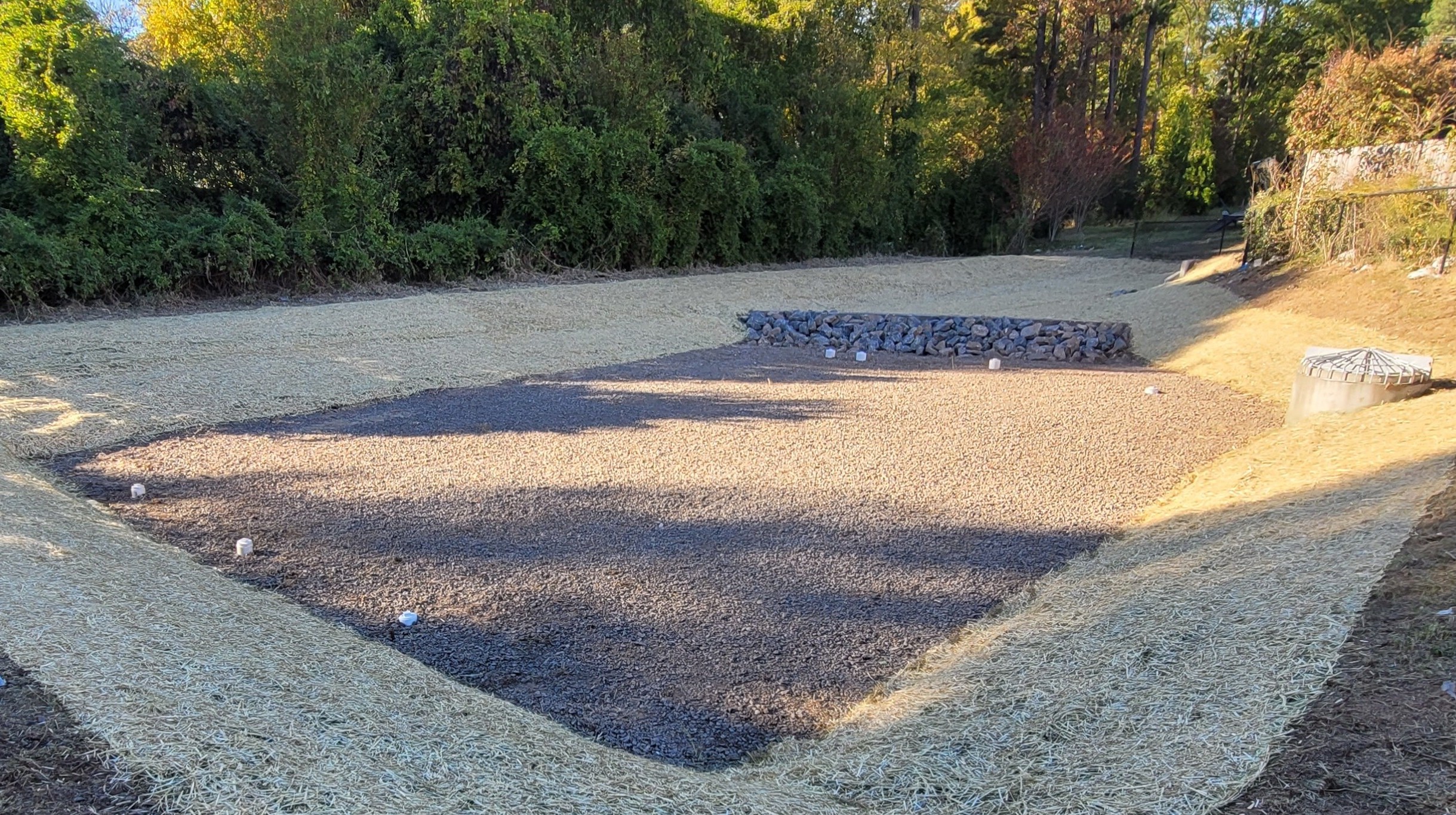
CMS provides comprehensive stormwater retrofit services, replacing or upgrading existing pipes, ponds, and BMPs to improve water quality and reduce runoff volume. Our SCM conversion projects transform older stormwater control measures—such as dry ponds—into modern, high-performance systems that meet current regulatory standards. We enhance existing SCMs by adding forebays, wetland vegetation, or other features to boost hydraulic function and treatment capacity. Temporary construction sediment basins can also be converted into permanent, functional stormwater ponds for long-term runoff management. Through these upgrades, property owners can earn retrofit credits from permitting authorities while ensuring compliant, efficient, and sustainable stormwater infrastructure.
CMS Stormwater Conversion Specialist
Core Conversion & Retrofit Sevices
Stormwater Retrofit
Stormwater retrofit services replace or upgrade existing drainage infrastructure to improve water quality and reduce runoff volume. These projects restore system performance while ensuring compliance with current stormwater regulations.
SCM Conversion
SCM conversion transforms older or underperforming stormwater control measures into systems that meet modern regulatory and performance standards. Examples include converting dry ponds to wet ponds or updating detention basins for enhanced treatment.
SCM Enhancement
SCM enhancement increases the functionality of existing stormwater control measures by adding features like forebays, wetlands, or improved vegetation. Enhancements boost water quality treatment, hydraulic performance, and long-term system efficiency.
Basin to SCM Conversion
Basin to SCM conversion turns temporary construction sediment basins into permanent, functional stormwater ponds. This approach repurposes infrastructure to provide long-term runoff management, water quality treatment, and compliance benefits.
Retrofit Credit
Retrofit credit programs allow property owners to earn regulatory credits for upgrading older stormwater systems. These credits help demonstrate compliance and incentivize improvements in drainage infrastructure performance.
Stormwater Systems We Maintain
Catch Basins, Inlets, Frames & Grates
Stormwater maintenance of catch basins, inlets, frames, and grates removes sediment and debris, restores hydraulic flow, prevents blockages, and ensures regulatory compliance.
Detention Ponds
Regular stormwater maintenance of detention ponds removes accumulated sediment, cleans outlet structures, and preserves storage capacity and peak flow control for effective flood management.
Retention Ponds
Stormwater maintenance of retention ponds maintains permanent pool conditions, clears debris, supports pollutant settling, and ensures long-term water quality performance.
Grassed & Rip Rap Swales
Stormwater maintenance of grassed and riprap swales stabilizes erosion, removes sediment, and preserves vegetation to protect hydraulic flow and site compliance.
Hydrodynamic Separators
Routine maintenance of hydrodynamic separators removes sediment, trash, and hydrocarbons to restore pollutant removal efficiency and optimal system performance.
Level Spreaders
Stormwater maintenance of level spreaders ensures even runoff distribution, prevents channelized flow, and protects downstream soils and vegetation.
Outfalls
Stormwater maintenance of outfalls removes debris, repairs structural issues, and stabilizes discharge points to prevent scour and maintain regulatory compliance.
Proprietary Stormwater Systems
Maintenance of proprietary stormwater systems restores filtration media, clears blockages, and preserves hydraulic performance and permit compliance.
Storm Sewer Systems
Stormwater maintenance of storm sewer systems clears pipes, removes sediment, and repairs joints to restore proper drainage and hydraulic efficiency.
Stormwater Infiltration Assets
Regular stormwater maintenance of infiltration assets improves soil permeability, restores runoff percolation, and ensures groundwater recharge and compliance.
Stormwater Vaults
Stormwater maintenance of underground vaults removes sediment, repairs structural components, and restores storage and treatment capacity for efficient system operation.
Debris Collection Devices
Routine maintenance of debris collection devices removes trash and floatables, protects downstream stormwater infrastructure, and ensures system efficiency.
Underground Stormwater Assets
Stormwater maintenance of underground assets—including pipes, chambers, and vaults—restores hydraulic performance, structural integrity, and compliance.
Above Ground Stormwater Assets
Stormwater maintenance of above ground assets stabilizes erosion, removes debris, and ensures accessible and compliant system operation.
Permeable Pavement
Routine stormwater maintenance of permeable pavement removes surface clogging, restores infiltration capacity, and maintains stormwater treatment efficiency.
Sand Filters
Stormwater maintenance of sand filters replaces clogged media, removes accumulated sediment, and restores filtration efficiency for pollutant removal and regulatory compliance.
Routine/Quarterly Inspections
Routine quarterly inspections of stormwater control measures identify sediment accumulation, debris, erosion, and vegetation issues before they impact system performance. These inspections help maintain compliance, extend SCM life, and ensure effective stormwater management year-round.
Post-Storm Inspections
Post-storm inspections are conducted after significant rainfall events to assess SCM functionality, identify immediate damage, and address any safety or operational concerns. Prompt evaluation after storms prevents flooding, erosion, and costly downstream repairs.
Annual Certified Inspections
Annual certified inspections verify that stormwater control measures are operating according to local regulations and design specifications. These formal inspections provide official documentation for compliance and ensure long-term system performance.
As-Built/Final Inspections
As-built inspections confirm that newly constructed stormwater control measures match approved plans and design requirements. Final inspections ensure proper installation, identify potential construction issues, and validate long-term functionality.
Remedial/Repair Inspections
Remedial inspections assess SCMs after notices of violation, damage, or structural failure to determine required repairs. These inspections guide corrective actions that restore system performance and maintain regulatory compliance.
Key Types of SCM Inspections
Comprehensive stormwater control measure (SCM) inspections are essential to maintain proper function, ensure NCDEQ compliance, and protect water quality across commercial and regulated sites. Routine quarterly, post-storm, annual certified, as-built, and remedial inspections identify sediment buildup, debris, erosion, vegetation issues, and structural concerns before they cause flooding or system failures. By performing these targeted SCM inspections, CMS helps extend the life of stormwater infrastructure, prevent costly repairs, and optimize overall stormwater management performance.
Contact Us Today
Phone
Office: (252) 200-4774
Cell: (252) 903-6260
PO BOX 552
Nashville, NC 27856
Business Hours
Monday - Saturday: 7 a.m. - 5 p.m.
Sunday: Closed
Emergency Response: Call Immediately