Stormwater Maintenance
Stormwater Management
Routine stormwater maintenance is essential for protecting stormwater control measures (SCMs), detention ponds, underground drainage systems, and overall stormwater infrastructure performance. Proactive sediment removal, vegetation management, and storm drain cleaning prevent flooding, erosion, water quality violations, and costly regulatory penalties under NPDES and local stormwater regulations. Consistent maintenance extends infrastructure lifespan, preserves hydraulic capacity, ensures compliance, and supports long-term environmental sustainability for commercial, municipal, and industrial properties.
Comprehensive Stormwater Maintenance
Core Aspects of Stormwater System Maintenance
Vegetation Management
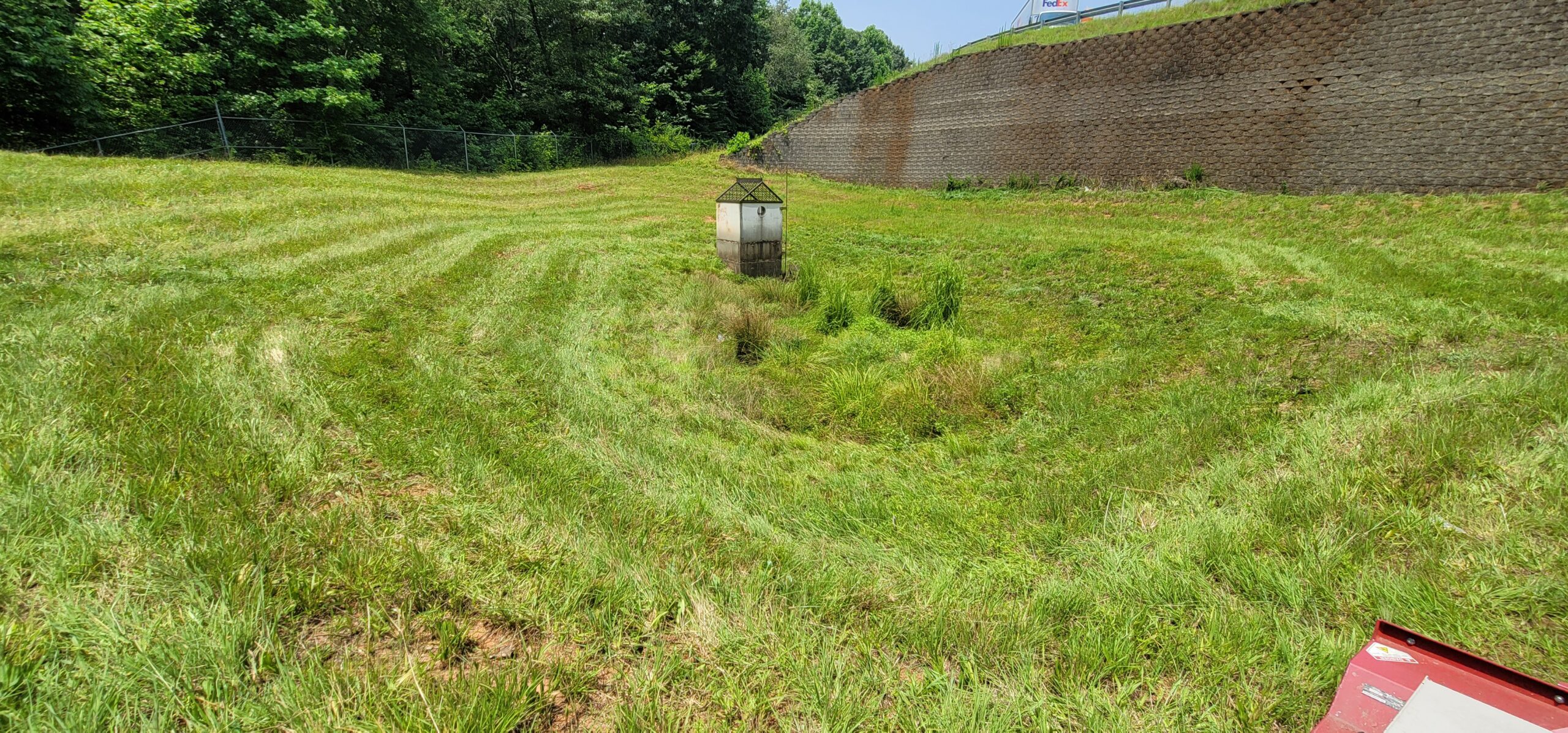
Effective vegetation management preserves the performance of stormwater control measures (SCMs) such as swales, detention basins, and bioretention areas. Routine mowing of swales and basin embankments prevents overgrowth that can obstruct water flow, conceal structural deficiencies, and contribute to woody root intrusion. Proper vegetation control also stabilizes soil, reduces erosion risk, and supports long-term stormwater system sustainability.
Infrastructure Cleaning & Inspection
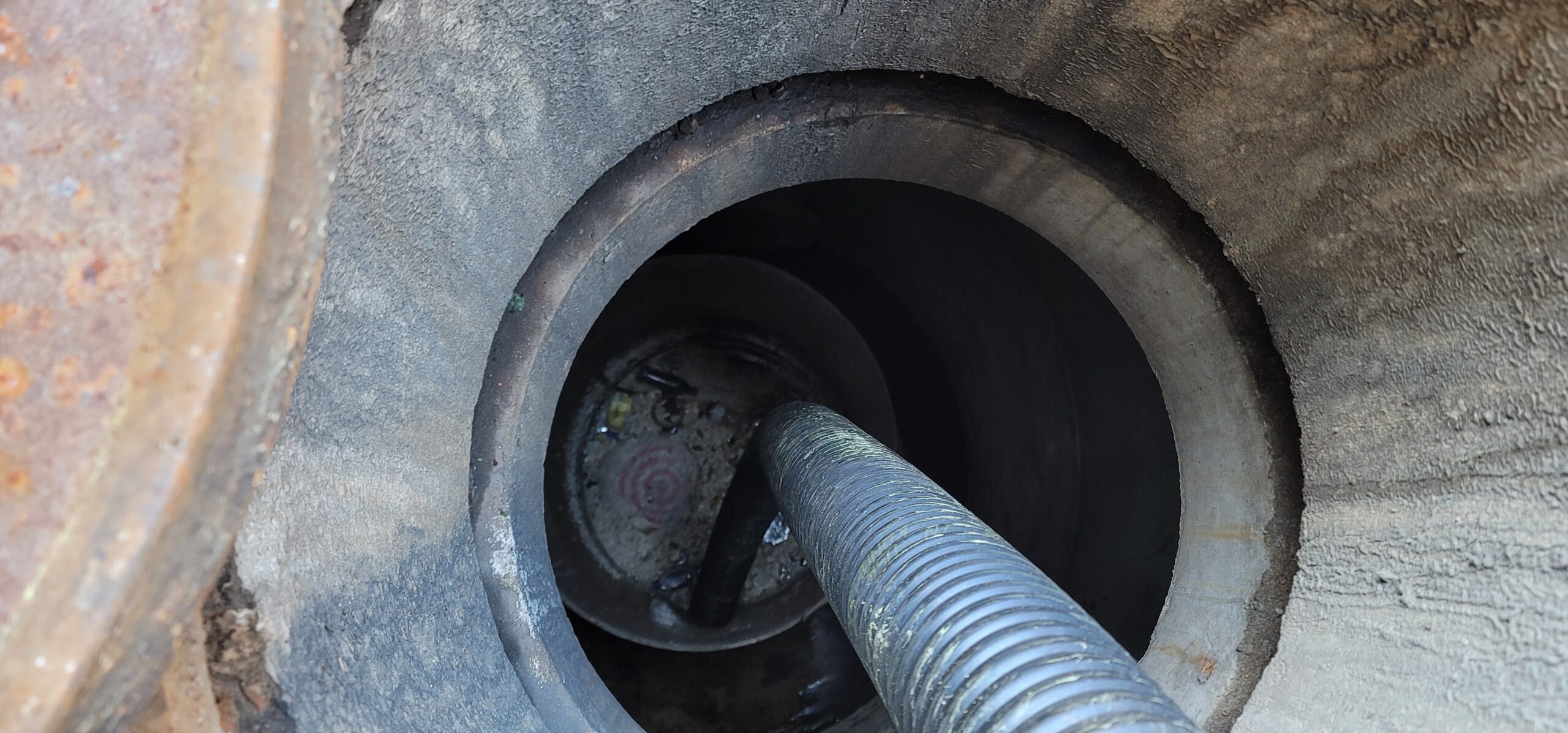
Routine stormwater infrastructure cleaning and inspection is essential to maintaining proper hydraulic flow and preventing system failure. Catch basins, curb inlets, pipes, and grates should be cleared of debris, leaves, trash, and sediment buildup to reduce blockages and localized flooding. High-capacity vacuum trucks (vactor services) are critical for removing accumulated sediment from catch basins and underground stormwater systems, restoring capacity and ensuring compliance with municipal stormwater regulations.
Structural Maintenance
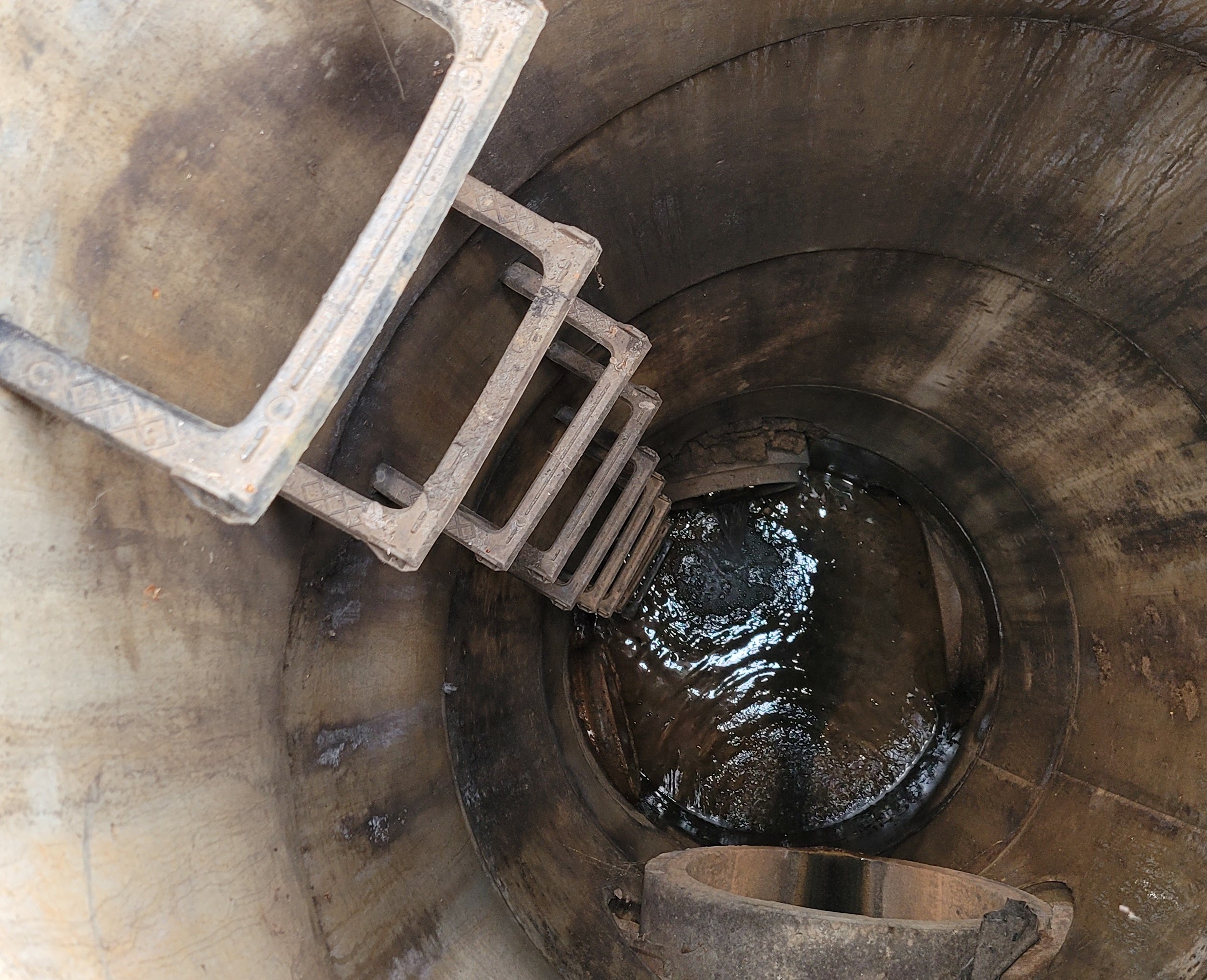
Ongoing structural maintenance ensures the integrity and safety of stormwater infrastructure components such as culverts, headwalls, outlet control structures, manholes, and underground vaults. Regular inspections should identify cracks, joint separation, corrosion, leaks, or structural displacement that could compromise performance. Early detection and repair prevent catastrophic failure, extend infrastructure lifespan, and reduce long-term capital expenditure.
Documentation & Regulatory Compliance
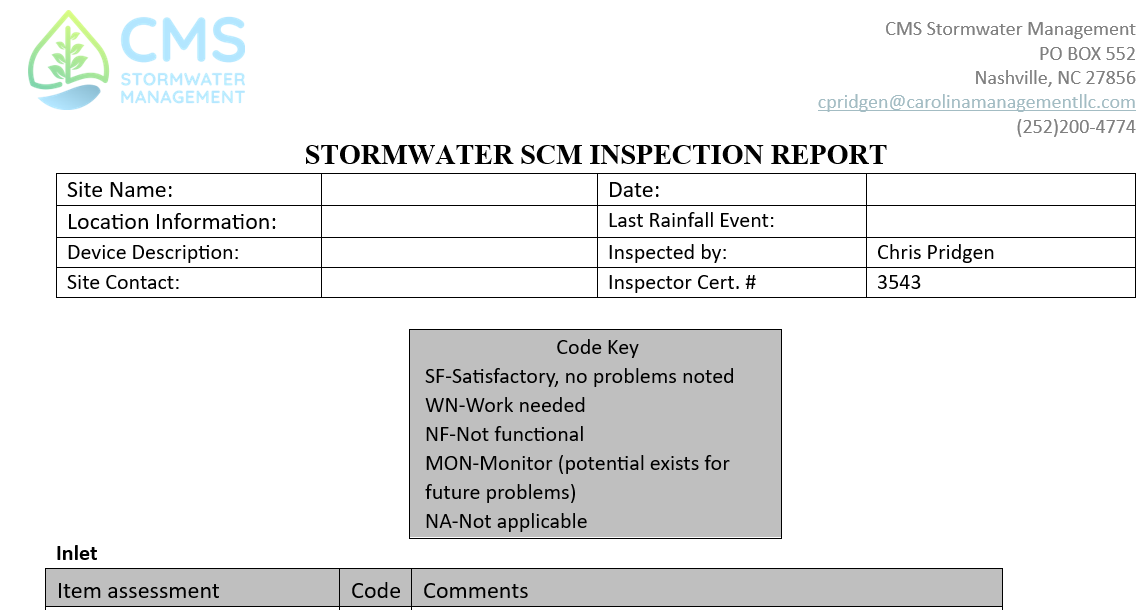
Accurate documentation of stormwater inspections, maintenance activities, and repairs is essential for demonstrating compliance with NPDES permits and local stormwater ordinances. Maintaining detailed logs, photo records, and corrective action reports protects property owners from enforcement actions and regulatory penalties. Comprehensive recordkeeping also supports long-term asset management and proactive budgeting for stormwater infrastructure improvements.
Outlet Structure & Orifice Protection
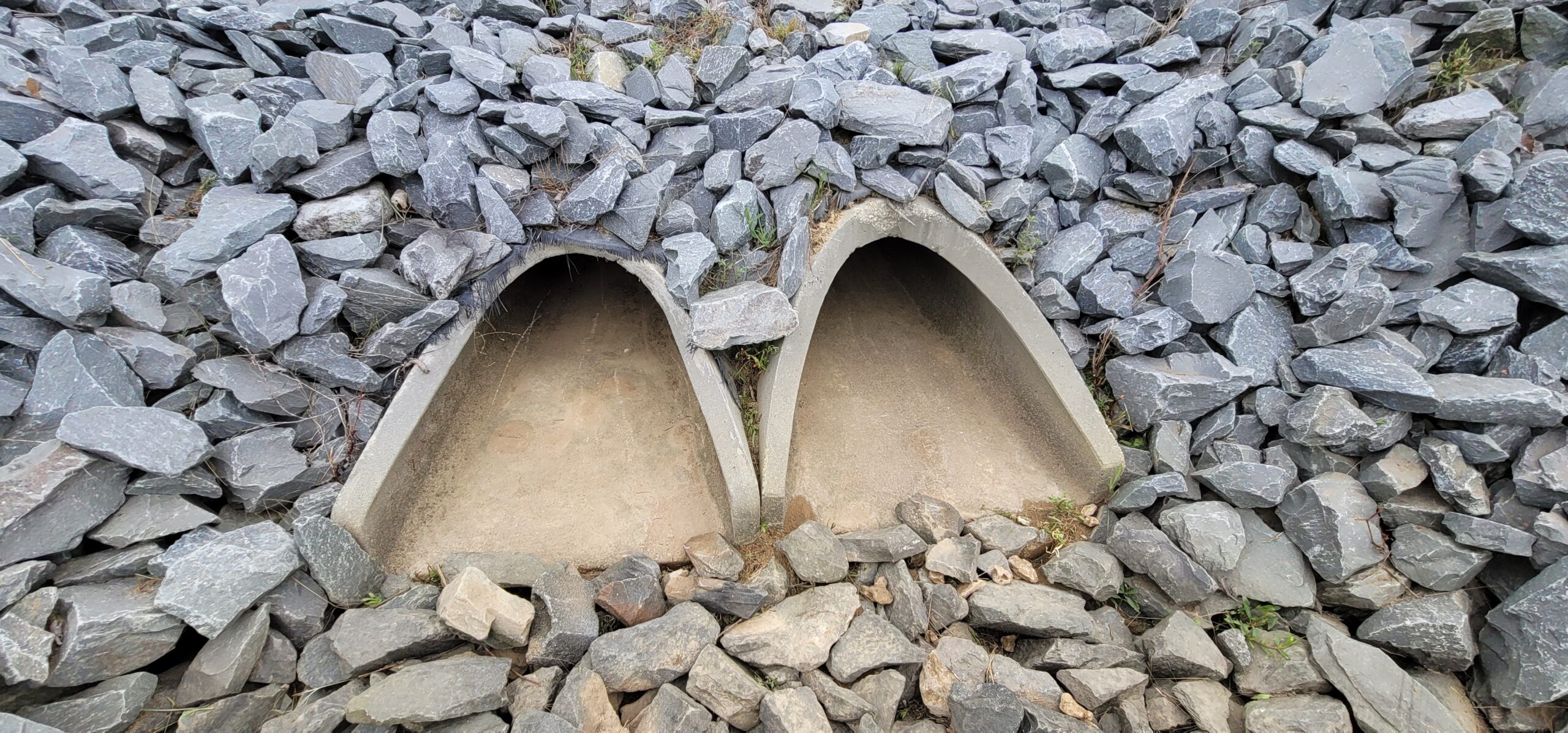
Outlet control structures regulate water discharge rates and are critical to maintaining designed drawdown times, peak flow reduction, and downstream erosion control. Routine maintenance of outlet components—including orifices, weirs, trash racks, risers, and low-flow devices—is essential to prevent clogging from sediment, debris, and vegetative growth. Blocked or damaged outlets can lead to overtopping, embankment failure, flooding, and non-compliance with post-construction stormwater permit requirements. Proactive inspection, cleaning, and timely repair of these structures ensure they function as designed and extend their service life.
Inlet Protection
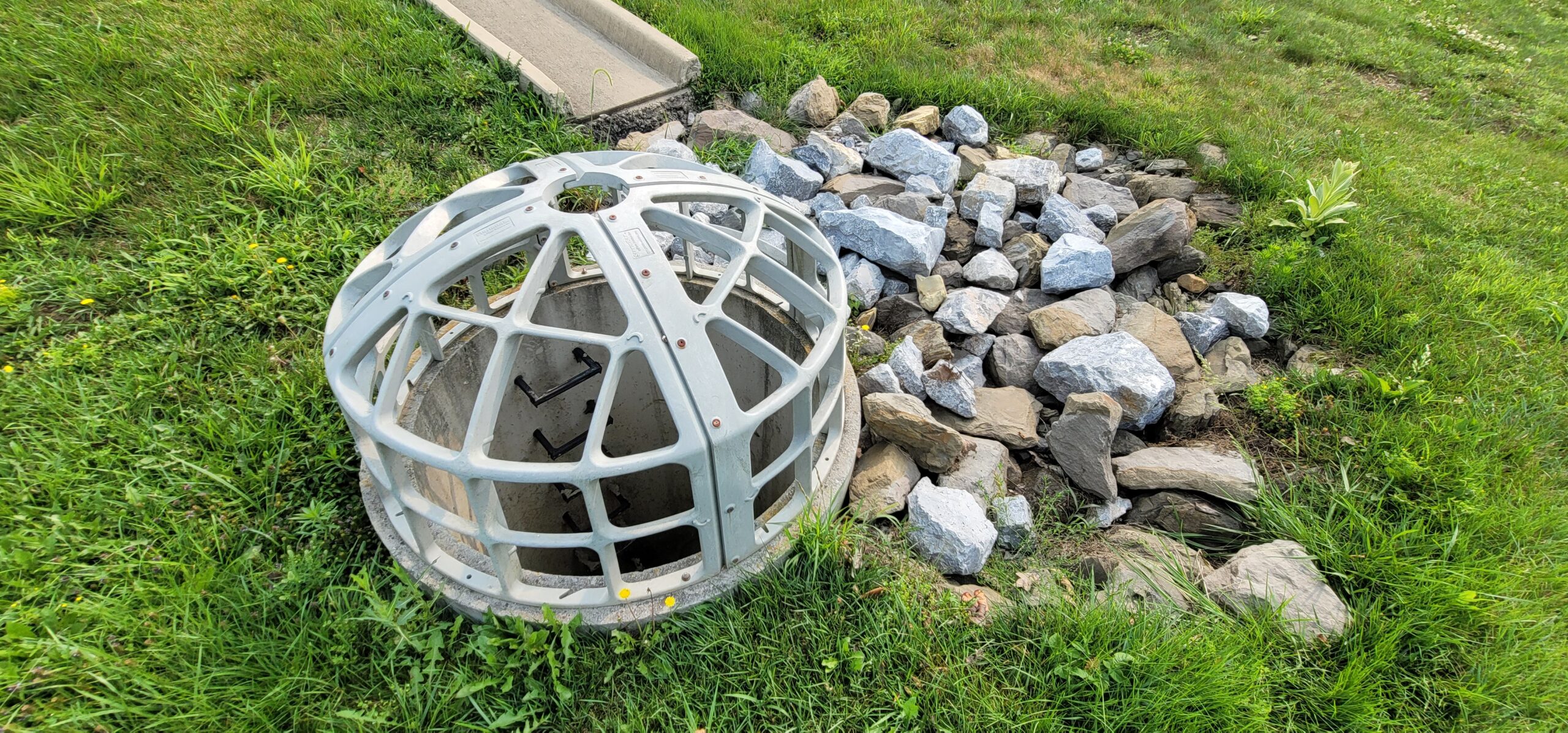
Stormwater inlets serve as the first line of defense in protecting stormwater control measures (SCMs) from sediment and debris loading. Routine inspection and maintenance of inlet protection devices—such as riprap aprons, sediment forebays, curb inlet screens, and erosion control measures—are critical to minimizing sediment transport into detention basins, bioretention cells, and underground systems. Damaged or unprotected inlets accelerate erosion, increase maintenance costs, and reduce water quality treatment effectiveness, particularly during high-intensity rainfall events. Regular upkeep ensures inlets continue to protect downstream infrastructure and preserve overall system performance.
Erosion Control & Bank Stabilization
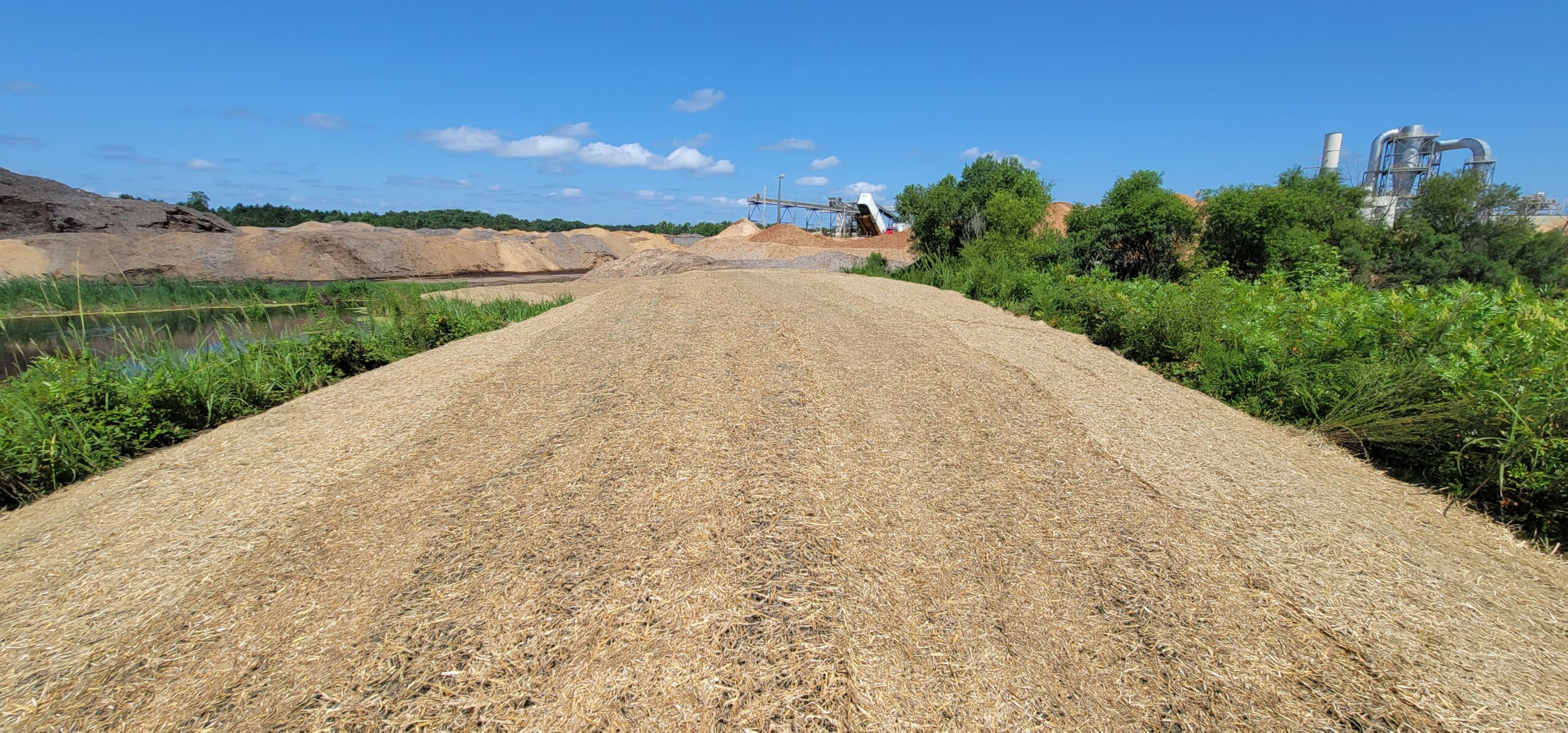
Erosion along swales, detention pond embankments, inflow channels, and outfall discharge points threatens both structural integrity and water quality compliance. Routine maintenance and proactive stabilization of disturbed areas using sod, riprap, erosion control matting, reinforced turf systems, or vegetative cover prevent sediment migration into downstream stormwater infrastructure. Maintaining bank stability preserves storage capacity, protects adjacent properties, and ensures compliance with state stormwater and sediment control regulations. Consistent monitoring and repair of erosion-prone areas reduce costly emergency interventions and prolong the effectiveness of SCMs.
Illicit Discharge & Pollution Prevention
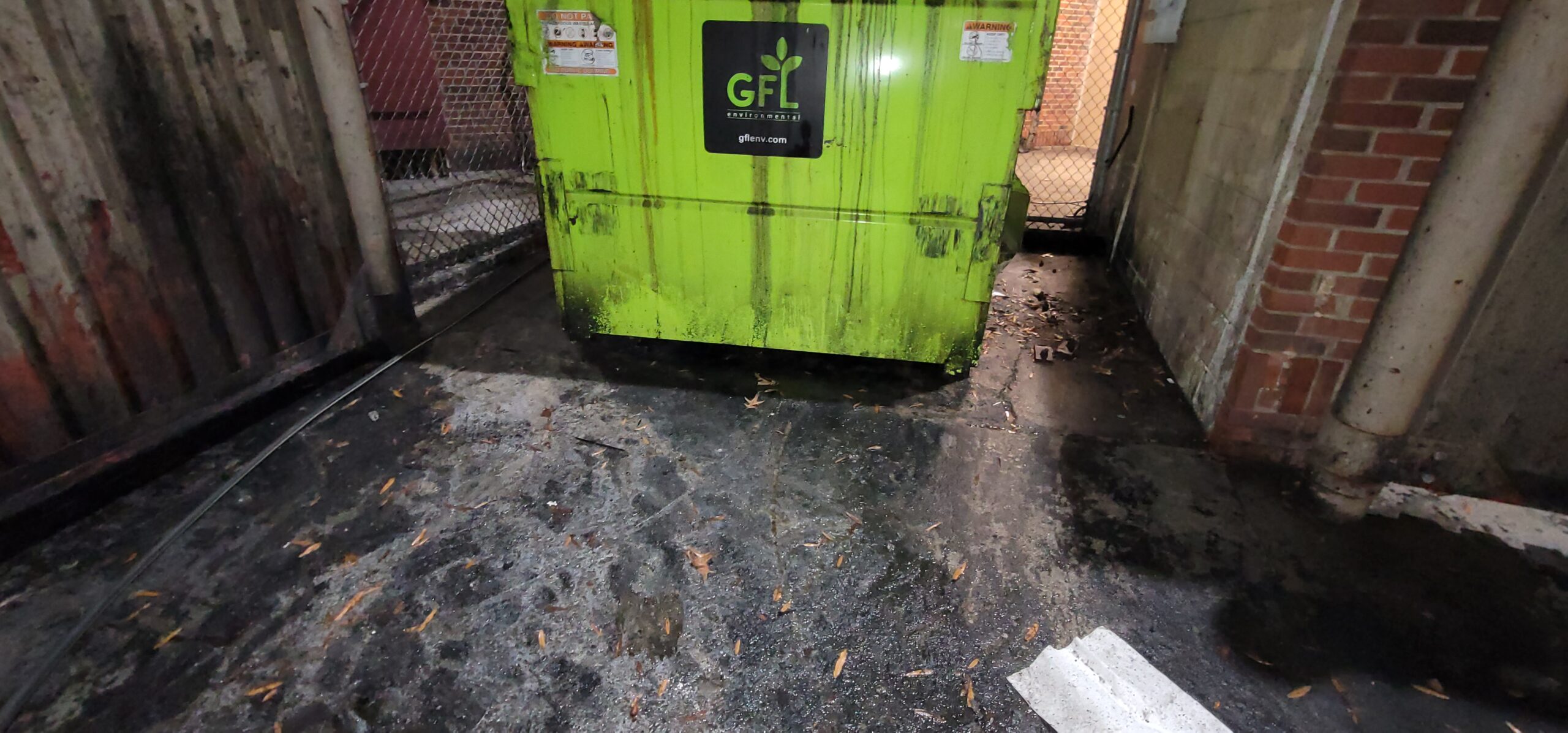
Illicit discharge detection and prevention are critical components of stormwater compliance, particularly within regulated MS4 municipalities. Routine monitoring and maintenance—including inspections for oil sheen, chemical discharge, illegal dumping, and unauthorized connections—help identify and mitigate potential water quality threats early. Implementing pollution prevention best management practices (BMPs), employee training, and thorough documentation ensures ongoing NPDES compliance, protects receiving waters, and reduces liability exposure. Consistent attention to these measures reinforces the long-term performance and credibility of a property’s stormwater management program.
Stormwater Systems We Maintain
Catch Basins, Inlets, Frames & Grates
Stormwater maintenance of catch basins, inlets, frames, and grates removes sediment and debris, restores hydraulic flow, prevents blockages, and ensures regulatory compliance.
Detention Ponds
Regular stormwater maintenance of detention ponds removes accumulated sediment, cleans outlet structures, and preserves storage capacity and peak flow control for effective flood management.
Retention Ponds
Stormwater maintenance of retention ponds maintains permanent pool conditions, clears debris, supports pollutant settling, and ensures long-term water quality performance.
Grassed & Rip Rap Swales
Stormwater maintenance of grassed and riprap swales stabilizes erosion, removes sediment, and preserves vegetation to protect hydraulic flow and site compliance.
Hydrodynamic Separators
Routine maintenance of hydrodynamic separators removes sediment, trash, and hydrocarbons to restore pollutant removal efficiency and optimal system performance.
Level Spreaders
Stormwater maintenance of level spreaders ensures even runoff distribution, prevents channelized flow, and protects downstream soils and vegetation.
Outfalls
Stormwater maintenance of outfalls removes debris, repairs structural issues, and stabilizes discharge points to prevent scour and maintain regulatory compliance.
Proprietary Stormwater Systems
Maintenance of proprietary stormwater systems restores filtration media, clears blockages, and preserves hydraulic performance and permit compliance.
Storm Sewer Systems
Stormwater maintenance of storm sewer systems clears pipes, removes sediment, and repairs joints to restore proper drainage and hydraulic efficiency.
Stormwater Infiltration Assets
Regular stormwater maintenance of infiltration assets improves soil permeability, restores runoff percolation, and ensures groundwater recharge and compliance.
Stormwater Vaults
Stormwater maintenance of underground vaults removes sediment, repairs structural components, and restores storage and treatment capacity for efficient system operation.
Debris Collection Devices
Routine maintenance of debris collection devices removes trash and floatables, protects downstream stormwater infrastructure, and ensures system efficiency.
Underground Stormwater Assets
Stormwater maintenance of underground assets—including pipes, chambers, and vaults—restores hydraulic performance, structural integrity, and compliance.
Above Ground Stormwater Assets
Stormwater maintenance of above ground assets stabilizes erosion, removes debris, and ensures accessible and compliant system operation.
Permeable Pavement
Routine stormwater maintenance of permeable pavement removes surface clogging, restores infiltration capacity, and maintains stormwater treatment efficiency.
Sand Filters
Stormwater maintenance of sand filters replaces clogged media, removes accumulated sediment, and restores filtration efficiency for pollutant removal and regulatory compliance.
Tailored SCM Operation & Maintenance Plan
Tailoring a maintenance plan for each stormwater control measure (SCM) is essential to preserving system performance, pollutant removal efficiency, and regulatory compliance. Every SCM device—whether a detention basin, bioretention cell, sand filter, or underground system—functions differently, customized inspection frequencies and maintenance tasks are critical to long-term reliability. A site-specific SCM maintenance strategy reduces lifecycle costs, prevents premature failure, and ensures sustainable stormwater system compliance.
Notice Of Violation (NOV)
CMS understands that a Notice of Violation can be overwhelming for property managers. Our expertise in stormwater management enables us to guide you through this challenge. We will assess the situation, identify the causes of the violation, and create a tailored action plan to ensure your stormwater systems comply with regulations. Our proactive approach not only addresses immediate concerns but also establishes best practices to prevent future violations, allowing you to focus on your property’s success and sustainability.
Stormwater Management Requirements
Effective stormwater management is a crucial commitment to environmental stewardship for every property owner. With the Federal Government establishing national standards to protect water quality and reduce pollutant discharges, it’s vital to understand the specific regulations at state and local levels. Our Local Stormwater Compliance Page provides the requirements impacting your property, ensuring compliance and positively contributing to your community’s ecological health. Trust CMS to navigate the complexities of compliance and promote a sustainable future for North Carolina’s waterways.
Stormwater Repair Services
Stormwater repair services are critical to maintaining the structural integrity and hydraulic performance of stormwater control measures (SCMs), including detention basins, underground piping, and outlet structures. Prompt repairs prevent erosion, sediment buildup, flooding, and regulatory violations while extending the lifespan of drainage infrastructure. By restoring damaged components and optimizing system functionality, stormwater repairs support long-term sustainability, improve water quality, and protect downstream ecosystems and surrounding properties.
Stormwater System Maintenance, Inspections, and Repairs
Proper maintenance inspections and repairs of stormwater systems are crucial to prevent costly failures and ensure environmental compliance. Preventive maintenance controls sediment buildup manages vegetation and cleans drainage infrastructure which enhances system efficiency and longevity. Thorough SCM inspections allow for early detection of issues enabling proactive measures that prevent environmental damage. Timely repairs for pipes, catch basins, or outlet structures restore functionality and prevent substancial failures. These services protects infrastructure, supports the health of local waterways and keep your stormwater infrastructure in regulatory compliance.
Contact Us Today
Phone
Office: (252) 200-4774
Cell: (252) 903-6260
PO BOX 552
Nashville, NC 27856
Business Hours
Monday - Saturday: 7 a.m. - 5 p.m.
Sunday: Closed
Emergency Response: Call Immediately