Stormwater Repair
Stormwater Management
Regular stormwater repairs are essential to keep drainage systems, ponds, inlets, and outlets functioning properly, preventing flooding and costly property damage. Timely maintenance and repairs reduces sediment buildup, erosion, and structural failures, ensuring compliance with local and state stormwater regulations. Proactively addressing repairs also protects water quality, safeguards downstream ecosystems, and extends the lifespan of stormwater infrastructure.
Stormwater Compliance Repairs
Core Aspects of Stormwater Compliance Repairs
OvergrownVegetation Management
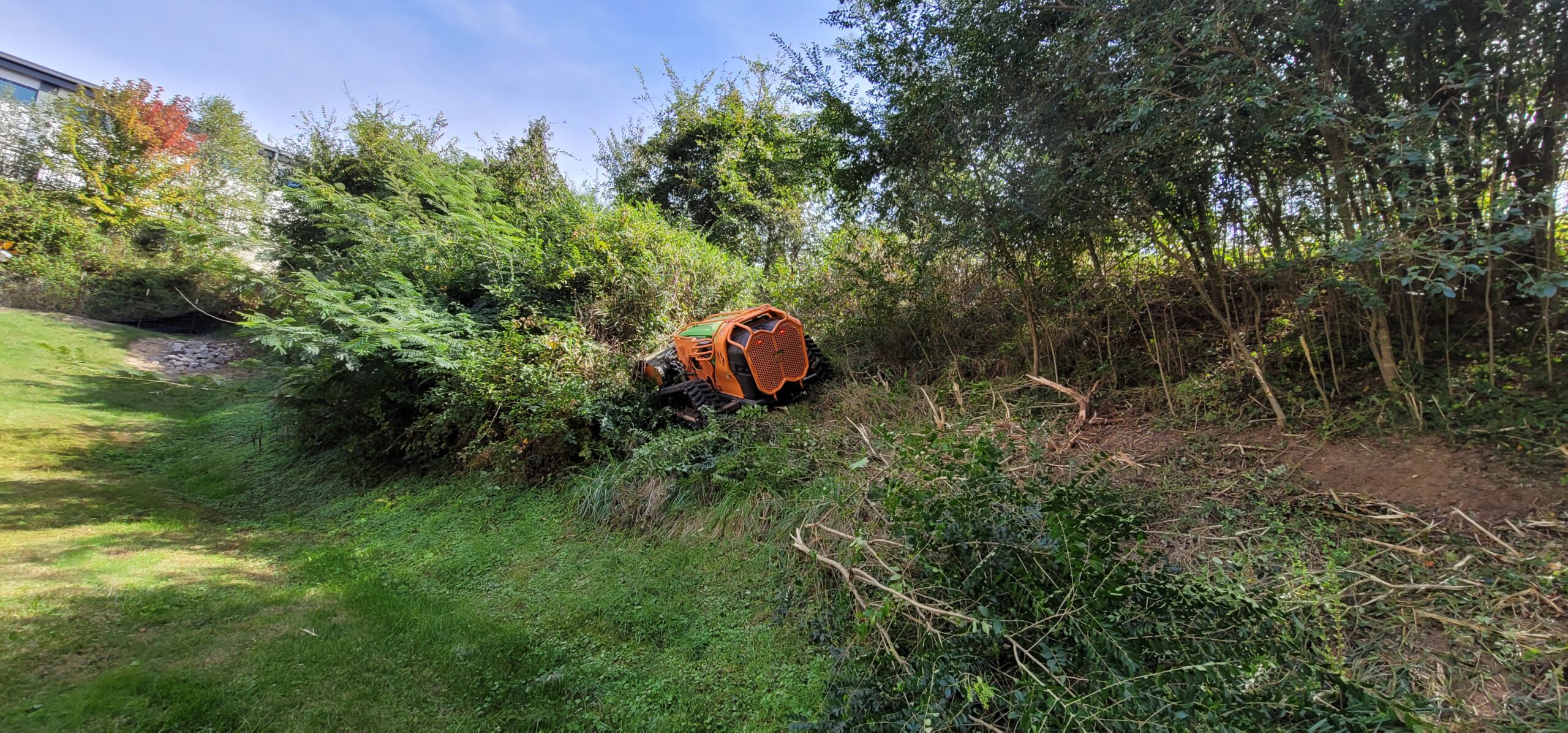
Vegetation management maintains proper stormwater flow paths and treatment performance within swales, bioretention areas, detention basins, and retention ponds. Routine mowing, shrub trimming, invasive species control, and nuisance vegetation removal prevent flow obstructions and hydraulic short-circuiting. Proper vegetative maintenance preserves designed infiltration rates, ensures clear access to outlet structures, and supports BMP functionality. Consistent vegetation management is often required under stormwater maintenance agreements and municipal inspection programs.
Structural Repairs
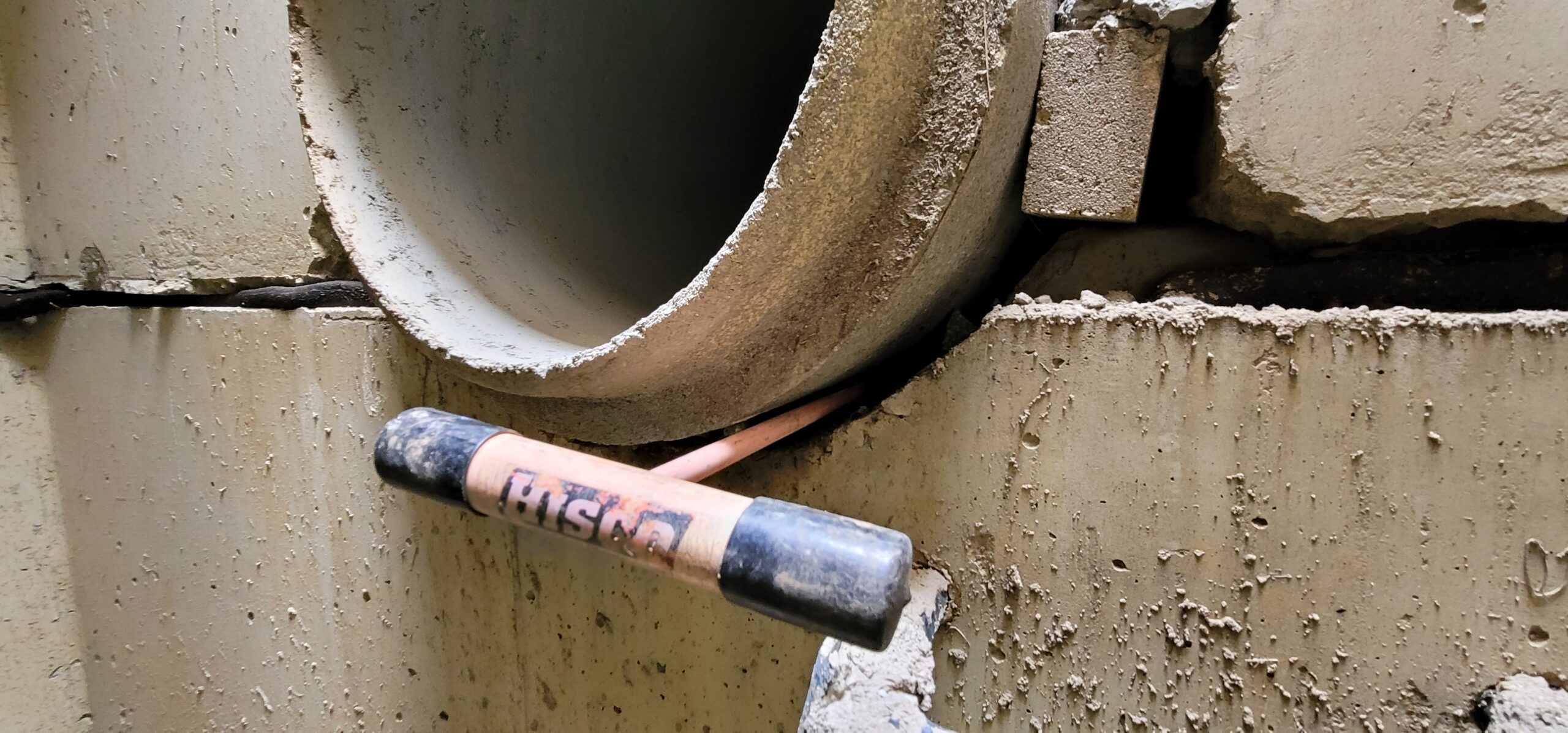
Structural stormwater repairs are critical for maintaining the integrity of pipes, catch basins, manholes, headwalls, and outlet control structures within a stormwater management system. Repairing or replacing cracked concrete, corroded metal components, deteriorated HDPE pipe, and damaged precast structures ensures proper hydraulic performance and regulatory compliance. Failing structural components can lead to infiltration, exfiltration, sinkholes, embankment instability, and non-compliance with post-construction stormwater permits. Proactive structural rehabilitation preserves system capacity, protects downstream properties, and extends the service life of stormwater infrastructure.
Pipe Rehabilitation
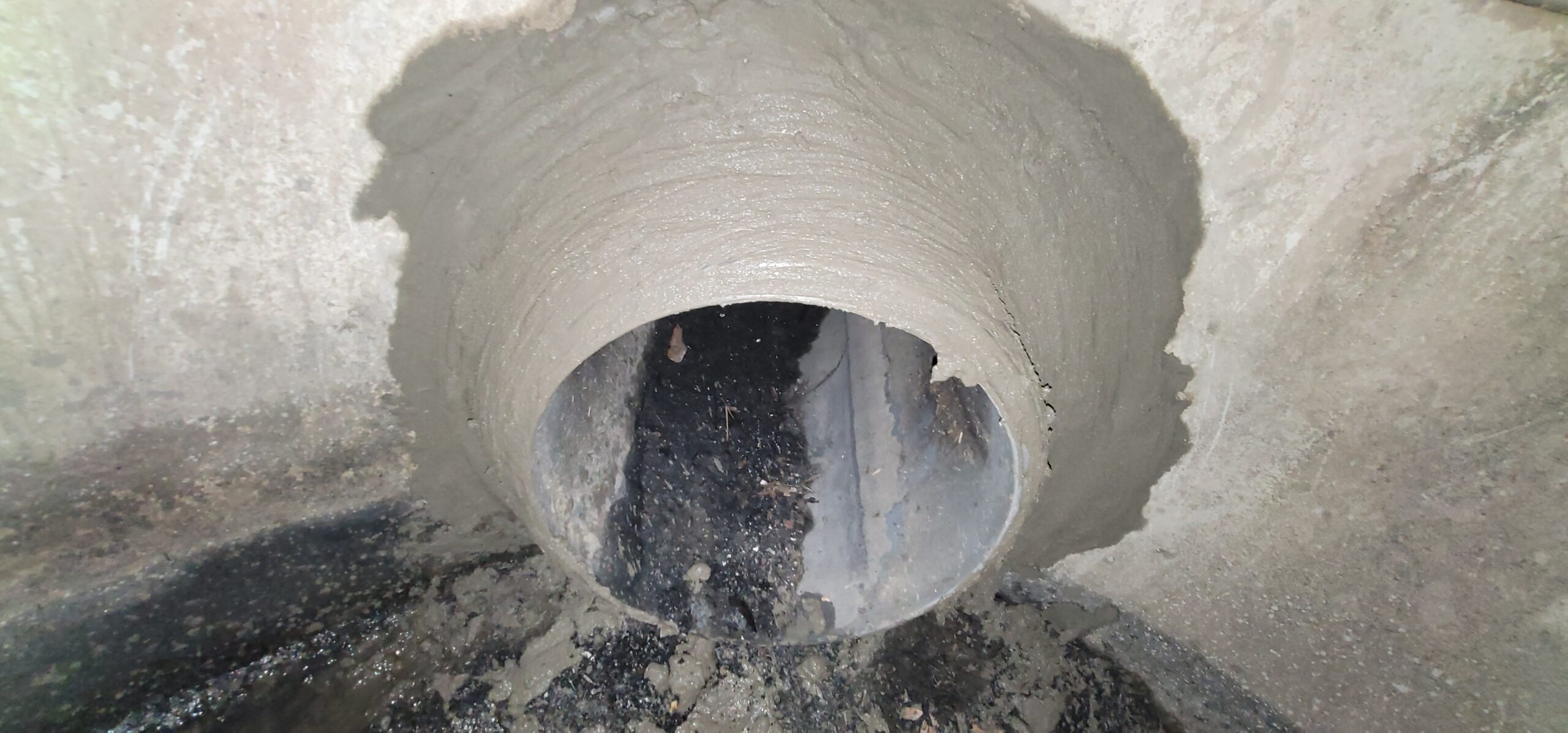
Pipe rehabilitation restores failing stormwater conveyance systems using trenchless technologies such as cured-in-place pipe (CIPP) lining, sectional patching, and internal pipe relining. These methods repair cracks, joint separation, root intrusion, and corrosion without full excavation, minimizing site disturbance and surface restoration costs. Rehabilitating storm drain pipes improves flow efficiency, reduces inflow and infiltration, and prevents system collapse or sinkhole formation. Trenchless stormwater pipe repair supports long-term compliance with municipal stormwater management standards and NPDES permit requirements.
Sediment and Debris Removal
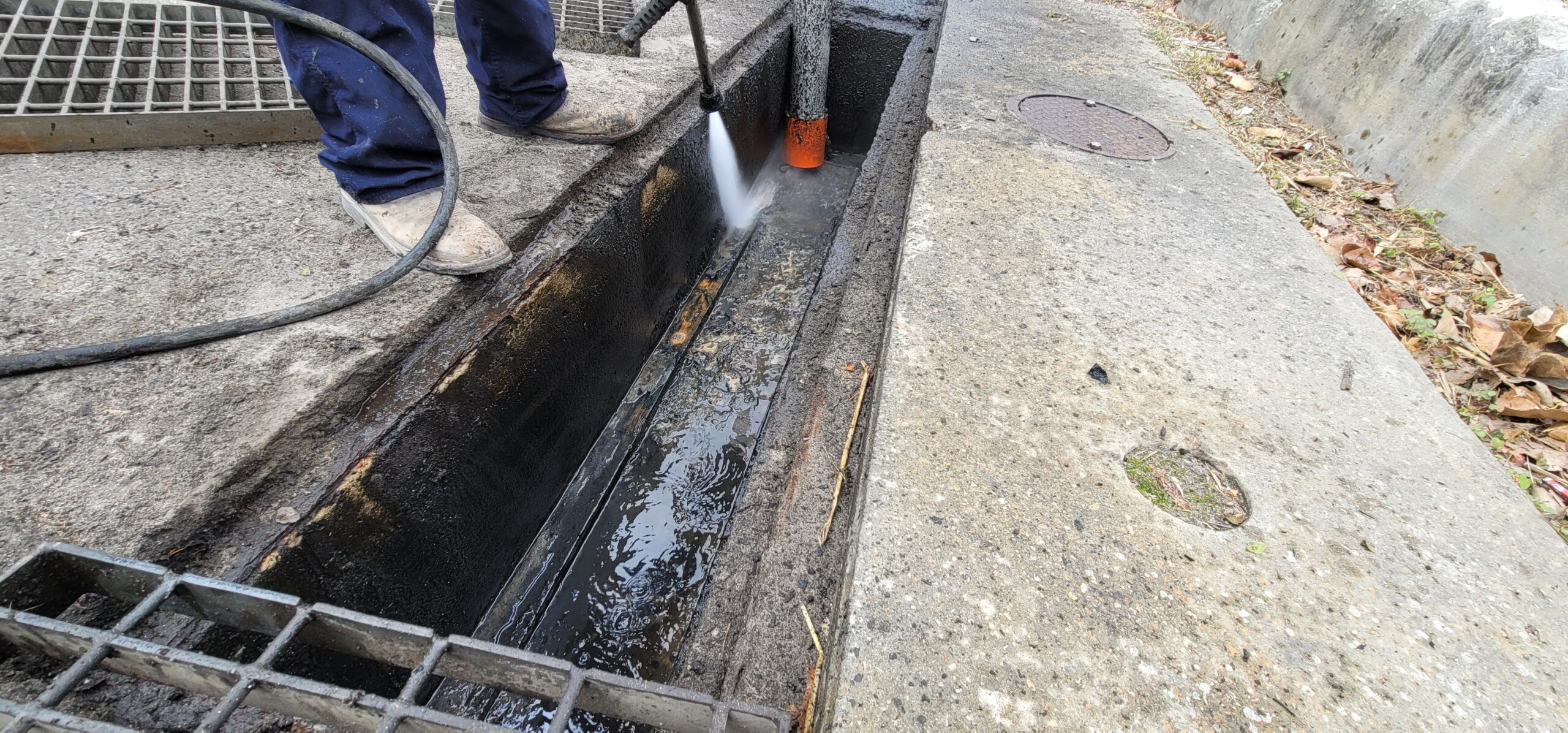
Sediment and debris removal is essential to maintain hydraulic capacity and prevent blockages within storm drains, culverts, catch basins, and inlets. Accumulated sediment, trash, organic matter, and floatables reduce conveyance efficiency and increase the risk of localized flooding during high-intensity storm events. Routine cleaning and vacuum extraction services improve stormwater flow, enhance water quality treatment performance, and reduce pollutant loading to downstream receiving waters. Regular sediment removal also supports compliance with MS4 programs and post-construction stormwater maintenance agreements.
Inlet and Outlet Dissipator Repair
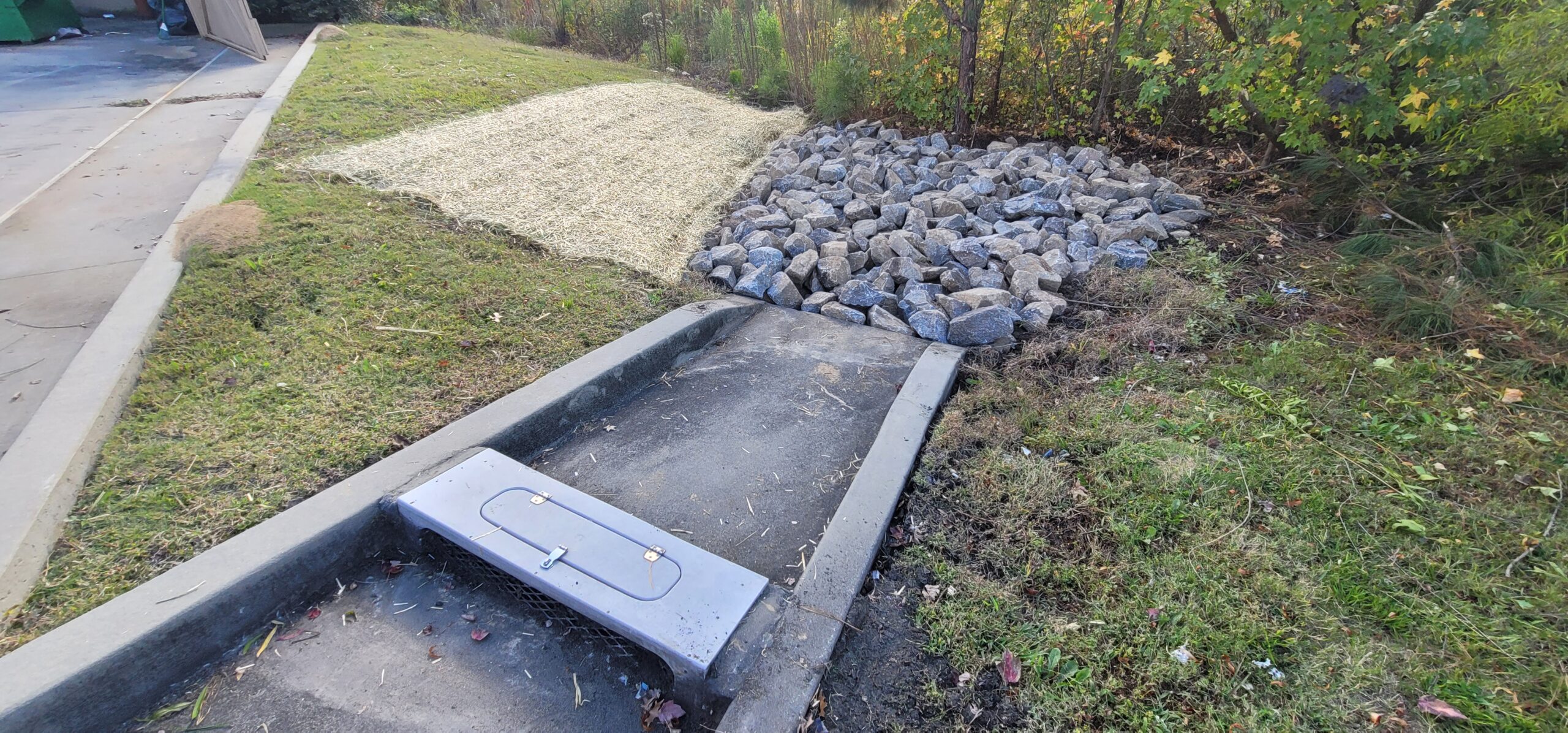
Inlet and outlet dissipator repair is essential for preventing scour, washouts, and structural damage at stormwater discharge and inflow points. Restoring riprap aprons, concrete energy dissipators, level spreaders, and velocity control devices reduces erosion, protects embankments, and preserves downstream water quality. Prompt repair of displaced stone, undermined structures, and failed stabilization measures ensures proper energy dissipation, maintains hydraulic performance, and supports compliance with post-construction stormwater management requirements.
Erosion Repair
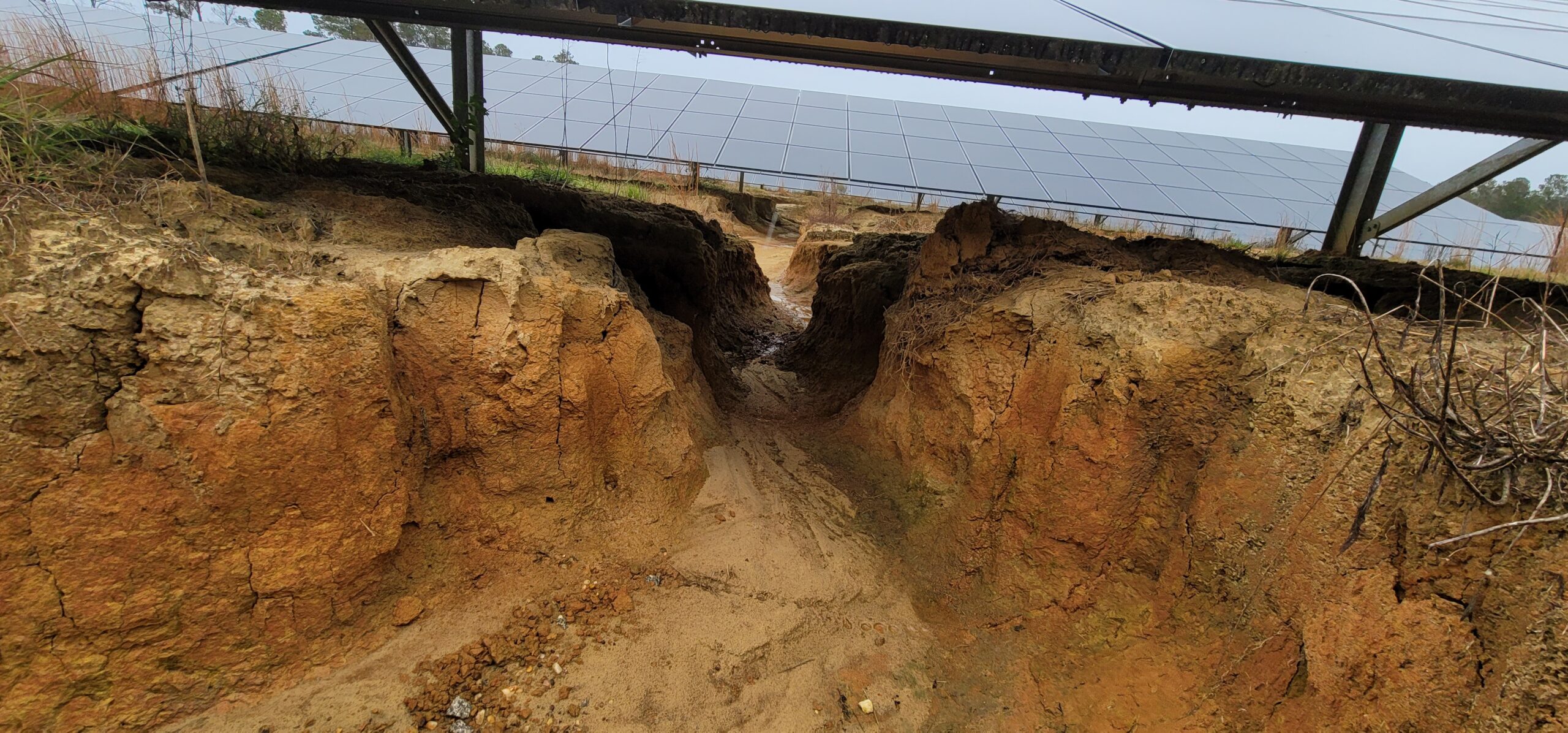
Erosion repair is essential to protect stormwater infrastructure, embankments, swales, and outfall discharge points from soil loss and structural instability. Addressing washouts, slope failures, and channel scour with riprap armoring, erosion control matting, reinforced turf systems, and vegetative stabilization prevents sediment migration and downstream water quality impacts. Timely erosion repairs preserve detention capacity, maintain hydraulic performance, and ensure compliance with state stormwater and sediment control regulations while reducing the risk of costly long-term damage.
Sinkhole Repair
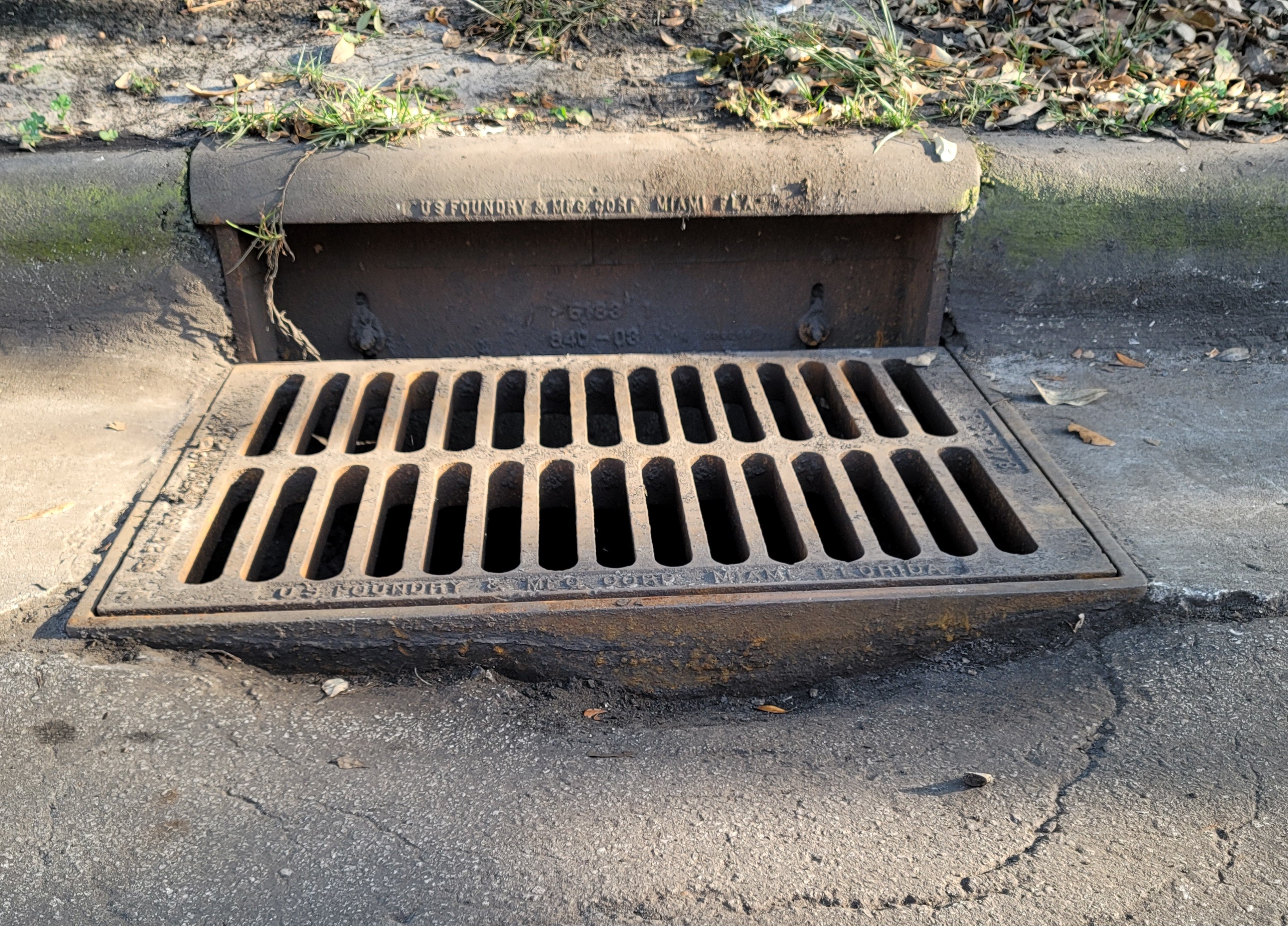
Catch basins and manholes are critical stormwater structures, but over time they can deteriorate due to corrosion, joint failure, frame settlement, and infiltration. In some cases, these failures lead to sinkholes forming around the structures, posing safety risks and damaging nearby surfaces. Repairs include frame and grate replacement, joint sealing, concrete rehabilitation, backfilling voids, and stabilizing surrounding soil to restore integrity and prevent further collapse. Timely maintenance of catch basins, manholes, and any associated sinkholes ensures proper stormwater conveyance, reduces flooding, protects property, and maintains compliance with municipal and state stormwater regulations.
Tailored SCM Operation & Maintenance Plan
Tailoring a maintenance plan for each stormwater control measure (SCM) is essential to preserving system performance, pollutant removal efficiency, and regulatory compliance. Every SCM device—whether a detention basin, bioretention cell, sand filter, or underground system—functions differently, customized inspection frequencies and maintenance tasks are critical to long-term reliability. A site-specific SCM maintenance strategy reduces lifecycle costs, prevents premature failure, and ensures sustainable stormwater system compliance.
Notice Of Violation (NOV)
CMS understands that a Notice of Violation can be overwhelming for property managers. Our expertise in stormwater management enables us to guide you through this challenge. We will assess the situation, identify the causes of the violation, and create a tailored action plan to ensure your stormwater systems comply with regulations. Our proactive approach not only addresses immediate concerns but also establishes best practices to prevent future violations, allowing you to focus on your property’s success and sustainability.
Stormwater Management Requirements
Effective stormwater management is a crucial commitment to environmental stewardship for every property owner. With the Federal Government establishing national standards to protect water quality and reduce pollutant discharges, it’s vital to understand the specific regulations at state and local levels. Our Local Stormwater Compliance Page provides the requirements impacting your property, ensuring compliance and positively contributing to your community’s ecological health. Trust CMS to navigate the complexities of compliance and promote a sustainable future for North Carolina’s waterways.
Stormwater Repair Services
Stormwater repair services are critical to maintaining the structural integrity and hydraulic performance of stormwater control measures (SCMs), including detention basins, underground piping, and outlet structures. Prompt repairs prevent erosion, sediment buildup, flooding, and regulatory violations while extending the lifespan of drainage infrastructure. By restoring damaged components and optimizing system functionality, stormwater repairs support long-term sustainability, improve water quality, and protect downstream ecosystems and surrounding properties.
Stormwater System Maintenance, Inspections, and Repairs
Proper maintenance inspections and repairs of stormwater systems are crucial to prevent costly failures and ensure environmental compliance. Preventive maintenance controls sediment buildup manages vegetation and cleans drainage infrastructure which enhances system efficiency and longevity. Thorough SCM inspections allow for early detection of issues enabling proactive measures that prevent environmental damage. Timely repairs for pipes, catch basins, or outlet structures restore functionality and prevent substancial failures. These services protects infrastructure, supports the health of local waterways and keep your stormwater infrastructure in regulatory compliance.
Contact Us Today
Phone
Office: (252) 200-4774
Cell: (252) 903-6260
PO BOX 552
Nashville, NC 27856
Business Hours
Monday - Saturday: 7 a.m. - 5 p.m.
Sunday: Closed
Emergency Response: Call Immediately